
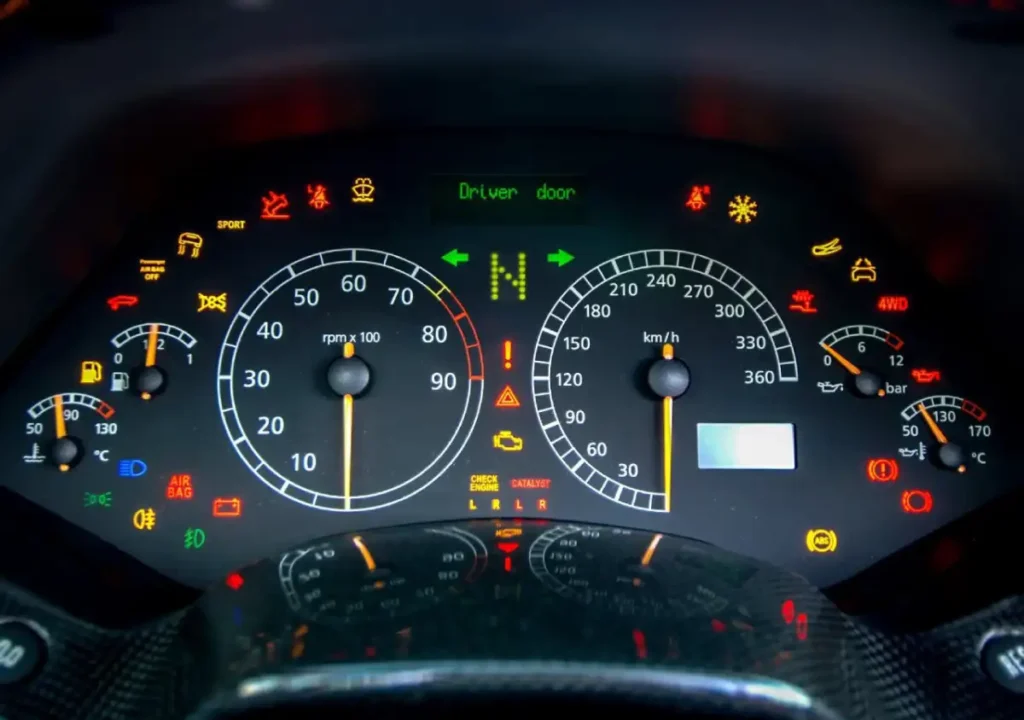
Introduction: Why Red Lights Demand Immediate Action
Modern vehicles are packed with sensors and warning systems designed to keep you and your passengers safe. Among the many symbols that can light up on your dashboard, red alerts are the most critical. While yellow or orange lights typically indicate a maintenance reminder or minor issue, a red warning light means stop as soon as it’s safe—continued driving could cause severe engine damage, a breakdown, or even a life-threatening accident.
Below, we decode four red alerts you should never overlook.
1. Engine Temperature Warning Light (Thermometer in Water)
What it looks like: A red thermometer floating in wavy liquid, or the words “TEMP” or “ENGINE OVERHEATING.”
What it means: Your engine is running dangerously hot. This can result from low coolant, a stuck thermostat, a failed water pump, or a blocked radiator.
Immediate action:
- Turn off the air conditioning and turn the heater to maximum—this pulls heat away from the engine.
- Pull over safely as soon as possible and shut off the engine.
- Wait at least 15 minutes before checking coolant levels. Never open the radiator cap while the engine is hot—pressurized steam can cause severe burns.
Ignoring it risks: A blown head gasket, warped cylinder heads, or complete engine seizure, often costing thousands in repairs or a full engine replacement.
2. Brake System Warning Light (Exclamation Mark in Circle)
What it looks like: A red circle with an exclamation mark in the center, often surrounded by parentheses. Some cars display the word “BRAKE.”
What it means: This could indicate several serious problems:
- The parking brake is engaged (check this first).
- Low brake fluid level.
- A leak in the brake hydraulic system.
- Significant brake pad wear or ABS failure.
Immediate action:
- Release the parking brake. If the light stays on, do not drive.
- Check the brake fluid reservoir. If it’s low, top it up and look for leaks immediately.
- If the light remains on after adding fluid, or if the brake pedal feels spongy or goes to the floor, have the vehicle towed to a mechanic.
Ignoring it risks: Complete brake failure—the inability to stop your car, leading to a high-speed collision.
3. Oil Pressure Warning Light (Oiling Can with a Drop)
What it looks like: A red oil can with a drop of oil coming from its spout, often labeled “OIL” or “MIN OIL.”
What it means: Oil pressure has dropped to a dangerously low level. This is NOT the same as the “change oil soon” light. Low oil pressure means engine components aren’t being lubricated.
Possible causes: Very low oil level, a failed oil pump, a clogged oil filter, or internal engine wear.
Immediate action:
- Pull over and turn off the engine immediately—every second the engine runs without proper oil pressure causes metal-on-metal grinding.
- Check the oil dipstick. If oil is low, add the recommended grade. If the light goes out, you may have a leak or excessive oil consumption.
- If oil level is normal but the light stays on, do not restart the engine. Call for a tow.
Ignoring it risks: Seized engine bearings, broken connecting rods, or a thrown rod through the engine block—effectively destroying the engine beyond repair.
4. Battery/Charging System Warning Light (Battery with + and –)
What it looks like: A red rectangular battery symbol marked with plus (+) and minus (–) signs.
What it means: The vehicle’s charging system is failing. The battery is not being recharged by the alternator, and your car is running solely on battery reserves.
Possible causes: Loose or corroded battery cables, a broken alternator belt, a failed alternator, or a failing battery.
Immediate action:
- Turn off all non-essential electronics (radio, AC, heated seats) to conserve battery power.
- Drive directly to a repair shop or a safe location—you typically have 20–60 minutes of driving before the battery dies completely.
- If the engine stalls or lights dim rapidly, pull over and call for roadside assistance.
Ignoring it risks: Complete electrical failure, loss of power steering, loss of headlights at night, and eventual engine shutdown, possibly leaving you stranded in traffic or an unsafe area.
Final Checklist: What to Do When a Red Light Appears
| Step | Action |
|---|---|
| 1 | Don’t panic, but don’t delay. Assess the warning symbol. |
| 2 | If the light is red and related to brakes, oil, or temperature—pull over as soon as safe. |
| 3 | Turn off the engine if temperature or oil pressure is the issue. |
| 4 | Consult your owner’s manual (the exact meaning can vary by make and model). |
| 5 | Call for a tow unless the issue is simple (e.g., parking brake left on). |
Conclusion: A Moment of Attention Can Save a Fortune
Dashboard warning lights are your car’s way of crying for help. While it’s easy to assume “it’s probably nothing,” red alerts are engineered to be rare and urgent. Addressing them immediately can turn a minor repair into a major engine replacement—or worse, avoid a crash. When in doubt, pull over, turn off the engine, and call a professional. Your safety—and your wallet—will thank you.