
Every year, thousands of accidents—many of them fatal—are caused by tire failure. Blowouts, tread separation, and sudden deflation don’t happen out of the blue. They are almost always preventable with a simple, ten-minute routine. Yet most drivers never check their tires until a warning light flashes or a flat leaves them stranded.
Here is the life-saving tire check anyone can do, in less time than scrolling through social media.
Why Tires Deserve More Than a Glance
Your tires are the only contact between your car and the road. At highway speeds, a failure doesn’t just mean a slow leak—it can mean a violent crash, especially if a front tire blows out during a turn or in heavy traffic. Proper inflation alone improves braking distance, handling, and fuel economy. Neglect, on the other hand, turns your vehicle into a time bomb on rubber.
The Shocking Truth About Underinflation
A tire that is underinflated by just 25 percent is three times more likely to be involved in a crash than a properly inflated one. Underinflation causes excessive heat buildup, which leads to tread separation and blowouts. Worse, you often can’t see it—a tire can look fine but be dangerously low on air.
The 10-Minute, Step-by-Step Safety Check
Set a timer. You’ll finish before it goes off.
Step 1: Check Pressure (3 minutes)
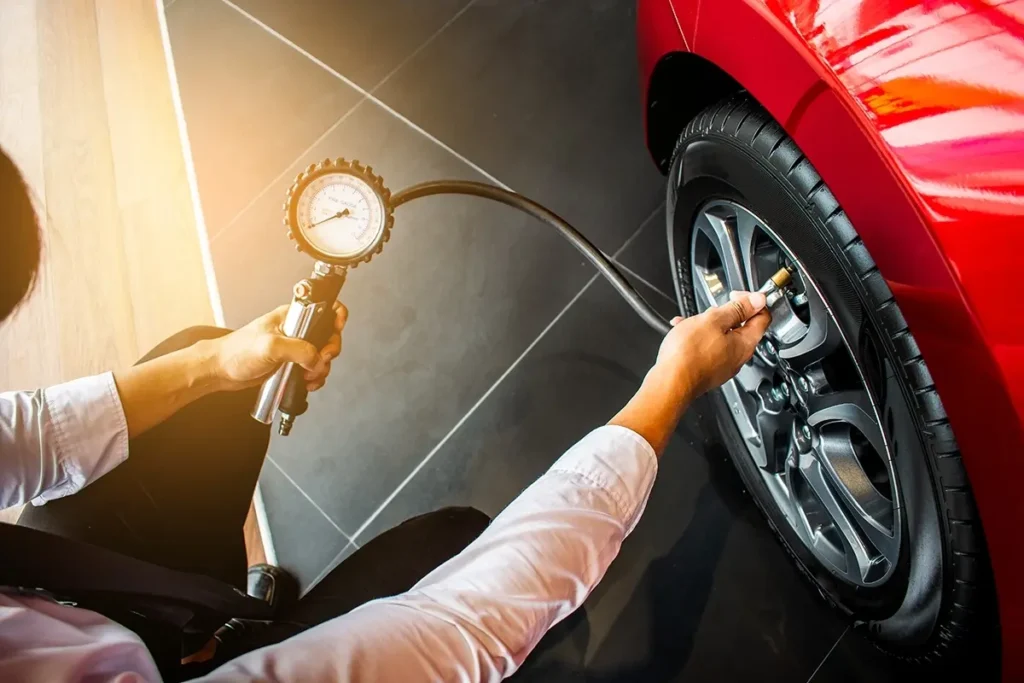
Buy a reliable digital tire gauge (under $15). Check pressure when tires are cold—before driving or at least three hours after a trip. Remove the valve cap, press the gauge firmly, and read the PSI. Compare to the number on the sticker inside your driver’s door jamb—not the number on the tire sidewall (which is the tire’s maximum, not your car’s recommended pressure).
- Do this every month and before long road trips.
- Don’t forget the spare. A useless spare is no spare at all.
Step 2: Inspect Tread Depth (2 minutes)
The penny test: Insert a penny into the tread with Lincoln’s head upside down. If you can see the top of his head, your tread is below 2/32 of an inch—illegal in many states and dangerous in rain or snow.
For better safety, replace tires at 4/32 of an inch if you drive in wet or winter conditions. Uneven tread wear can signal alignment, balance, or suspension problems.
Step 3: Look for Hidden Damage (2 minutes)
Walk around the car and examine each tire’s sidewalls and tread surface for:
- Cuts, bulges, or blisters (signs of internal damage)
- Embedded nails, screws, or glass
- Cracks in the rubber (dry rot, common on older tires)
A bulge means the tire’s internal cords are broken. That tire is seconds away from failure. Replace it immediately—do not drive to a shop; mount the spare or call for a tow.
Step 4: Check Valve Stems and Caps (1 minute)
Cracked, dry-rotted valve stems can leak air slowly. Missing caps let dirt into the valve mechanism. Replace any damaged stems. Always screw caps back on hand-tight—never use pliers.
Step 5: Don’t Ignore TPMS Warnings (2 minutes)
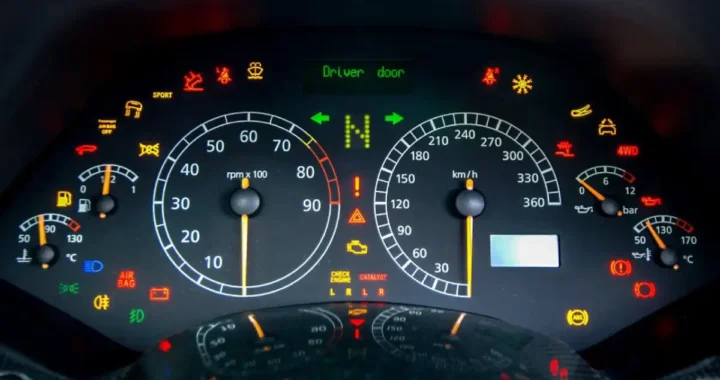
The Tire Pressure Monitoring System (TPMS) light is not a suggestion. If it flashes or stays on, your pressure is at least 25 percent below normal. But note: TPMS only triggers on low pressure—not on excessive wear, bulges, or tread separation. So never rely on it as a substitute for physical checks.
When to Replace Tires Before It’s Too Late
Even with perfect pressure, tires expire. Check the DOT code on the sidewall—the last four digits are the week and year of manufacture. Any tire over six years old is risky, regardless of tread. After ten years, replace them even if they look new. Rubber hardens and becomes brittle over time.
Three Signs You Need Immediate Help
Pull over safely and call roadside assistance if you notice:
- A vibrating or pulling sensation while driving (internal belt failure)
- A thumping sound that gets faster as you accelerate
- Visible nylon cords showing through the tread or sidewall
The Bottom Line: Ten Minutes Is Cheap Insurance
A blowout at 70 mph doesn’t give you second chances. Tire checks cost nothing but time—less time than waiting for a tow truck, far less than a hospital bill. Keep a gauge in your glove box. Set a monthly calendar reminder. And next time you fill up gas, spend the last minutes on your tires.
Those ten minutes might be the most important investment you make in your own safety—and in the lives of everyone riding with you.